
St. Louis police drones log 47 flights as commander asks residents for feedback
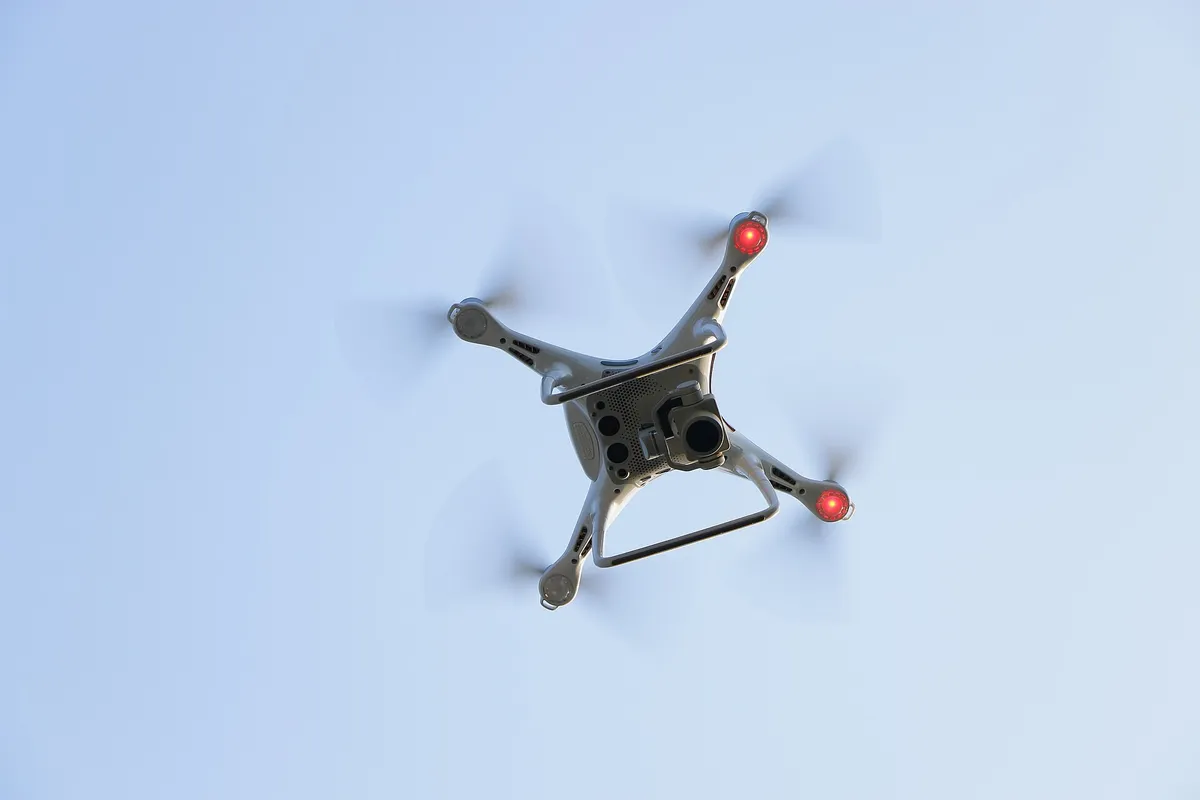
St. Louis police drones went up 47 times in nearly two weeks of answering 911 calls, and the officer who runs the unit wants residents to tell him where its rules could be clearer.
Lt. Marcos Silva, who commands the St. Louis Metropolitan Police Department's Aerial Response Unit, laid out his case for sending drones to 911 calls in an opinion piece the St. Louis Post-Dispatch ran on Friday.
In the column, which the department shared on its website, Silva pointed city residents to three things they can do now. They can read the rules on when a drone may fly, see where drones have flown and email him directly.
His argument rests on what officers can see before they get there. "A drone can give them a clearer picture while officers are still on the way," Silva wrote.
Over those nearly two weeks, drones beat officers to the scene on 12 calls. They helped with one arrest.
On four calls, the first look from above showed officers weren't needed after all. That freed them for other 911 emergencies still waiting for a response.
Two drones joined the search on Thursday, Nov. 5, for a missing 14-year-old with autism. An officer found the teen, who got home safely.
Respect for privacy begins with the decisions made on every flight, Silva wrote, "from why we launch to how we use the cameras and handle recorded footage."
Those decisions follow special orders that anyone can read. They set out when drones may go up, who's allowed to fly them and what safeguards protect people's privacy. The orders and the program's policies are posted at SLMPD.org/drones.
On the department's transparency portal, residents can look up published flight paths. It also tracks how often drones get there first, help with an arrest or help settle whether officers need to show up in person.
Most flights show up there within 72 hours. Some flight details may be held back to protect investigations still underway or to keep victims and officers safe, the department said.
Silva put the unit's conduct on himself. "As commander, I’m accountable for how our unit makes those decisions and follows the policies that govern our work," he wrote.
Residents and neighborhood groups can write to him at [email protected] about where drones could help, what questions they have and where the rules could be clearer, Silva wrote.
"What we hear should inform how we operate as the program grows," he wrote.